
2026 Home Design Trends: What’s In, What’s Out, and What Buyers Are Responding To
After a decade of cool grays, crisp whites, and spaces that looked more like showrooms than homes, buyers have changed what they’re looking for. Call it quiet luxury, the idea that richness comes from depth, craft, and intention rather than flash and excess. It’s not maximalism. It’s a shift toward spaces that feel like somewhere you’d actually want to live.
That shift is showing up in buyer data, listing descriptions, and design reports across the board, and it’s especially relevant here in Central Oregon, where lifestyle, setting, and how a home feels play a major role in buyer decisions.
Whether you’re in Bend, Sunriver, La Pine, or surrounding areas, these trends are shaping what stands out and what sells.
What’s In
Color Is Back — And It’s Warmer Than You Think
https://www.houzz.com/photos/woodgrove-road-french-country-family-room-dc-metro-phvw-vp~171677709
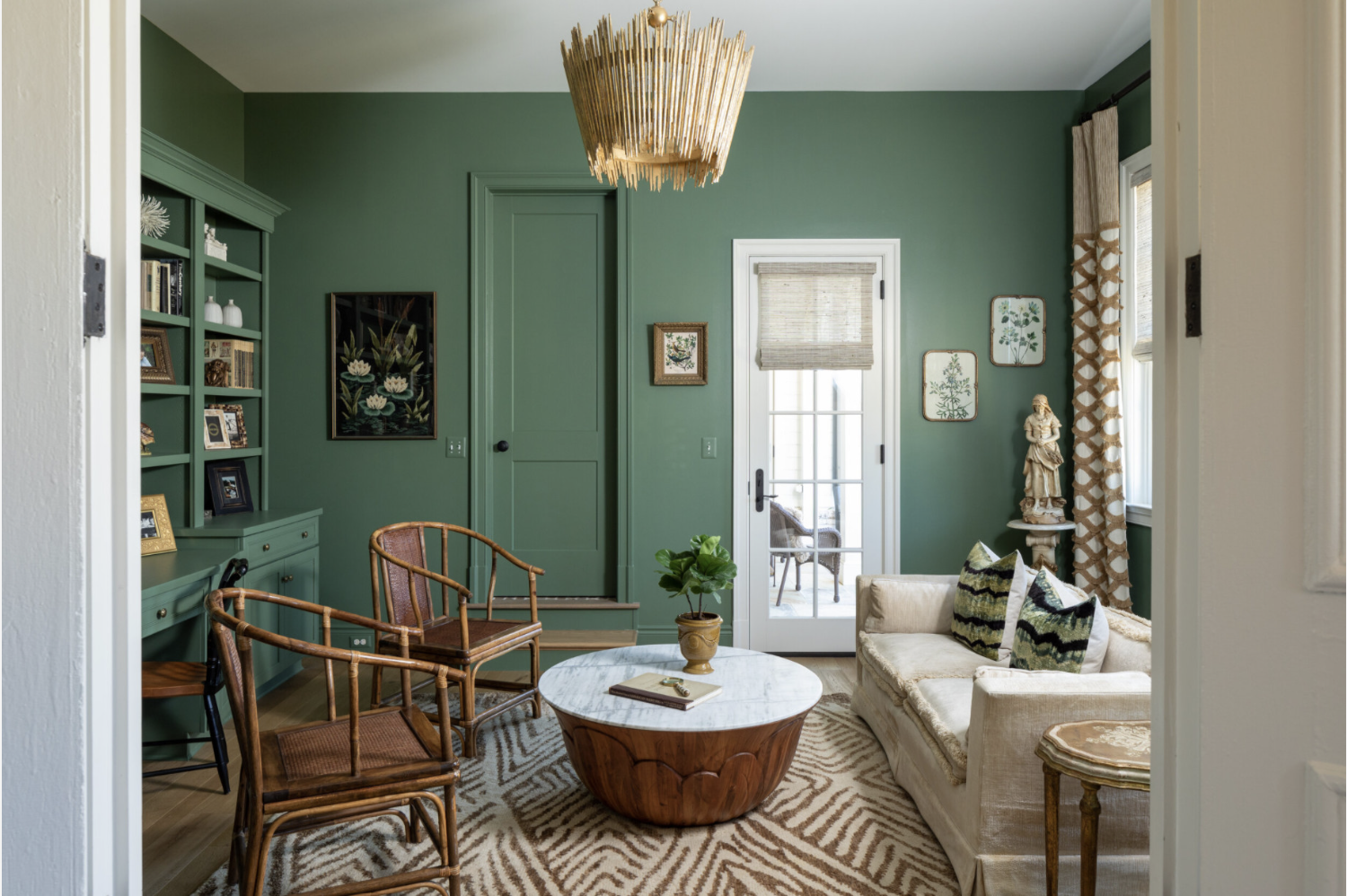
The all-gray interior isn’t just tired. Buyers have moved on. The biggest shift in listing descriptions over the last year has been a surge in “color drenching,” coating walls, ceilings, and trim in a single immersive hue.
Warm beiges, caramels, terra cotta, sage green, and soft navy are leading the way. These tones align perfectly with the Central Oregon landscape, pulling inspiration from high desert tones, pine forests, and natural surroundings.
Buyers relocating to Bend or searching for a second home in Sunriver are not looking for sterile spaces. They are looking for homes that feel grounded, warm, and connected to the environment. A simple paint refresh in the right tone can dramatically change how your home photographs and how it feels the moment someone walks in.
The Art Deco Revival: Details That Stop the Scroll
Buyers are actively looking for character, and that’s showing up clearly in what design platforms are tracking. Think chevron patterns, brass accents, jewel tones, curves, arches, and softer architectural lines.
In Central Oregon, this trend shows up best when it complements the natural setting. A curved island, arched doorway, or warm metallic accents can add just enough personality without competing with mountain views or wooded surroundings.
The goal is not to overhaul your home. It is to introduce one or two thoughtful design moments that elevate the space and make it memorable.
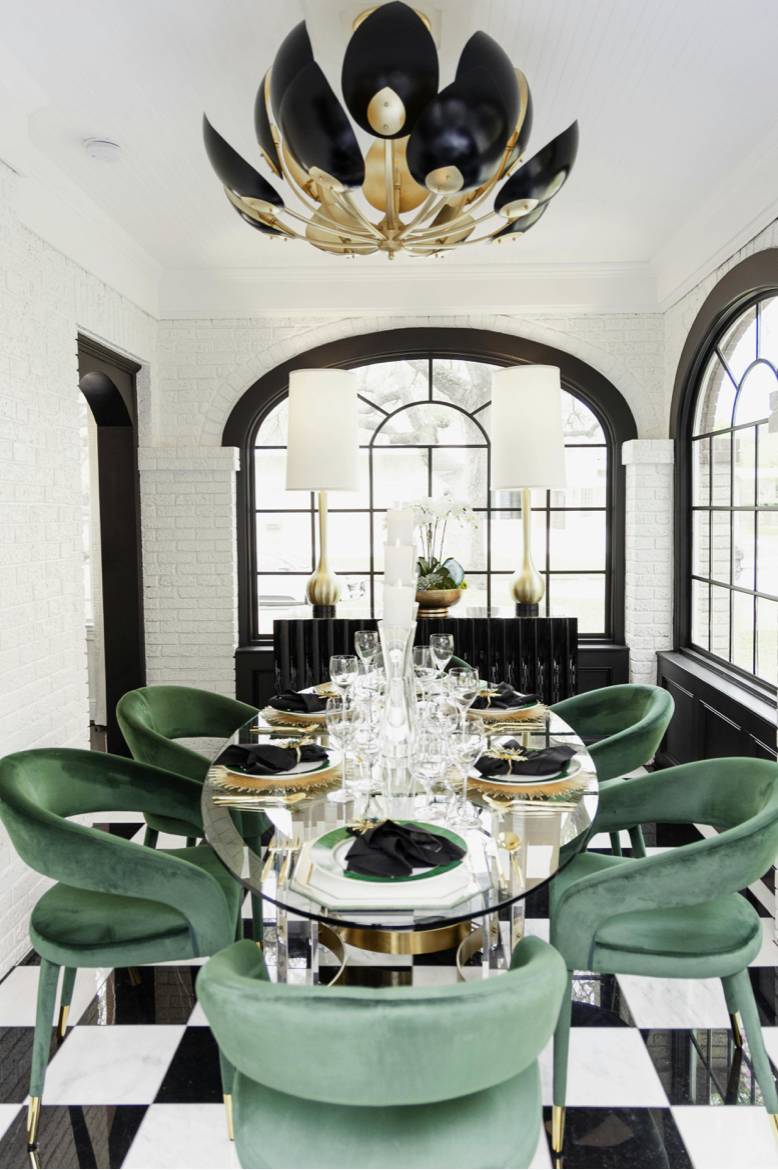
Photo Credit: Elizabeth Frost Designs
https://pro.houzz.com/pro-learn/blog/sneak-peek-houzz-reveals-11-of-the-top-home-design-predictions-for-2026
Surfaces and Materials That Make a Statement
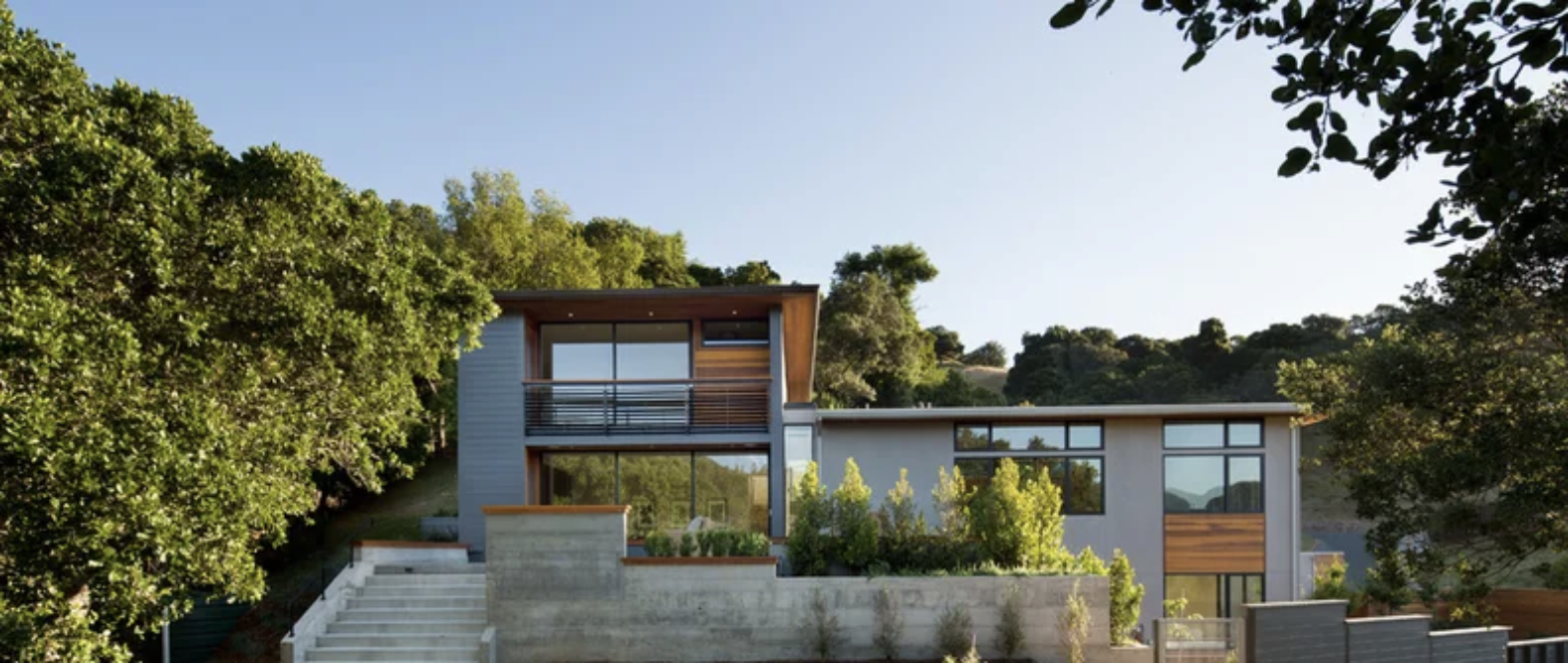 Photo Credit: Verner Architects; LMB Interiors (Designer); Eric Rorer (Photographer)
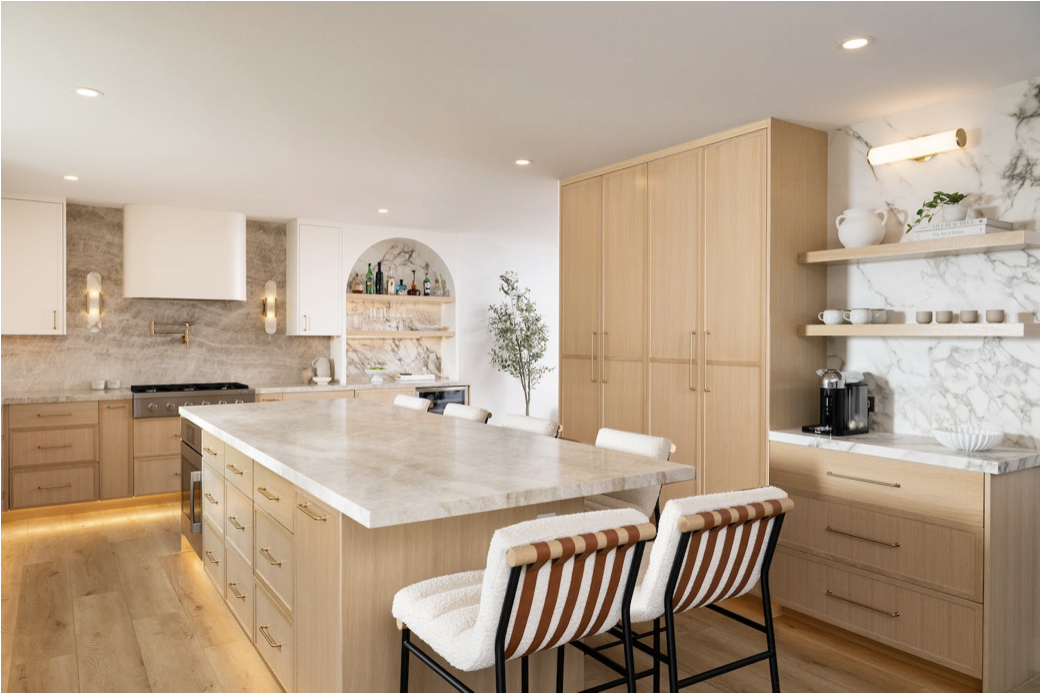
Countertops and backsplashes are no longer meant to blend in. Natural stone like quartzite, marble, and travertine is being used as a focal point.
This trend pairs especially well with Central Oregon homes, where organic materials feel right at home. Texture is a big part of this shift. Think plaster walls, limewash finishes, wood grain cabinetry, and layered materials that reflect the outdoors.
Buyers touring homes in Bend and Sunriver are drawn to spaces that feel natural and elevated at the same time. These finishes photograph beautifully and create that “this feels different” reaction that drives interest.
The Kitchen Is Getting Personal
 Credit: Leigh Ann Rowe; Builder: OC Builders Group; Designer: Studio Willow
https://pro.houzz.com/pro-learn/blog/2026-houzz-kitchen-trends-article
The all-white kitchen has run its course. What’s replacing it is not one specific style, it’s personalization.
Warm neutrals, wood tones, mixed finishes, and custom details are taking over. Buyers want to see a kitchen that feels intentional, not one that played it safe.
In Central Oregon, this often shows up as kitchens designed for gathering. Large islands, open shelving done thoughtfully, walk-in pantries, and connections to outdoor living spaces are all high-impact features.
A kitchen that feels like it belongs in the home and in the setting stands out immediately.
Open Concept Grew Up
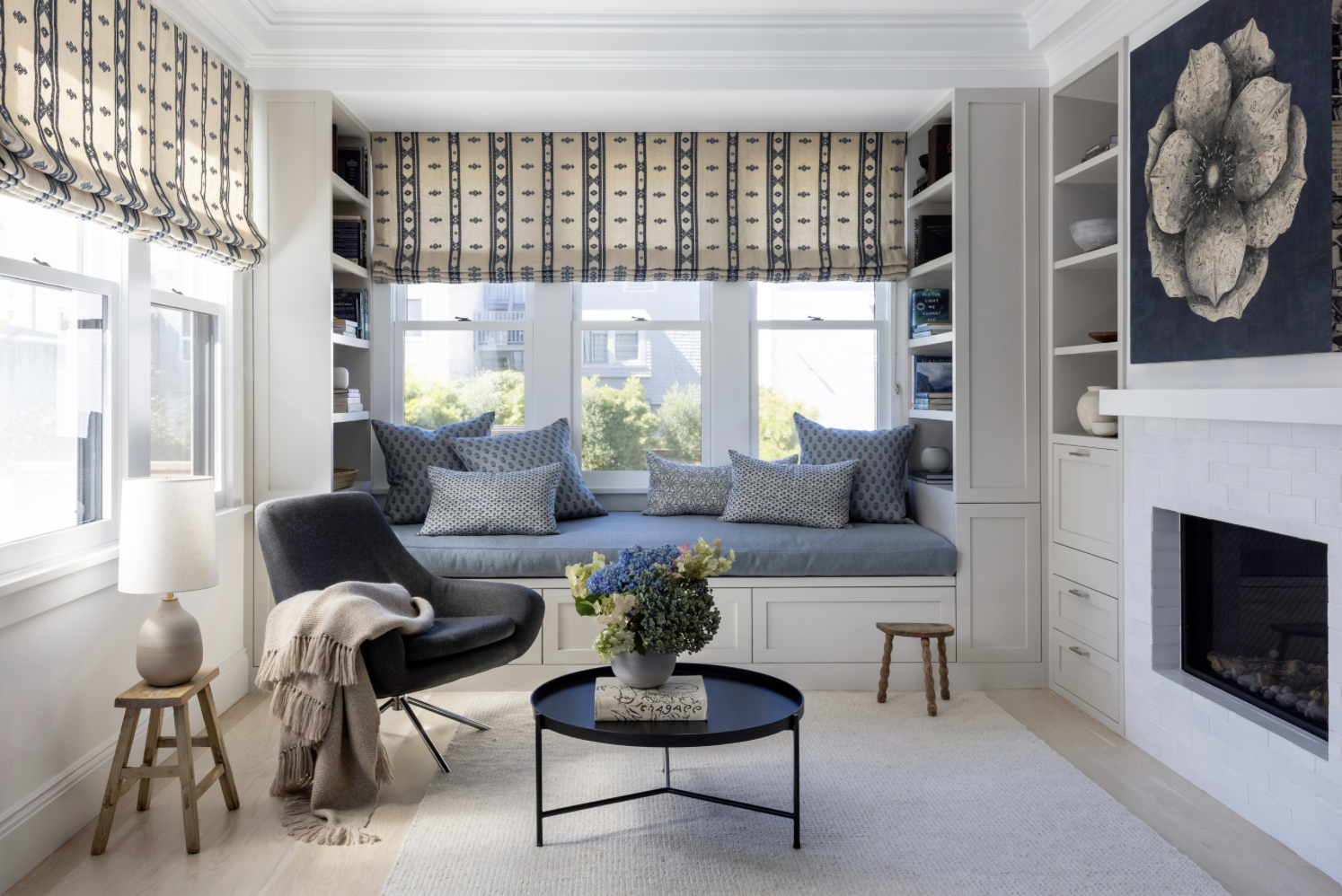 https://www.houzz.com/photos/9th-ave-transitional-family-room-san-francisco-phvw-vp~192967518
Open floor plans are still popular, but buyers no longer want one large undefined space. They want connection with purpose.
The shift is toward semi-defined layouts where the kitchen, dining, and living areas feel connected but still serve distinct roles.
This matters even more in Central Oregon, where many buyers are working remotely or splitting time between homes. Dedicated offices, reading nooks, and flexible spaces are highly desirable.
If your home already has defined spaces, that is no longer something to work around. It is something to highlight.
Homes That Are Designed to Feel Good
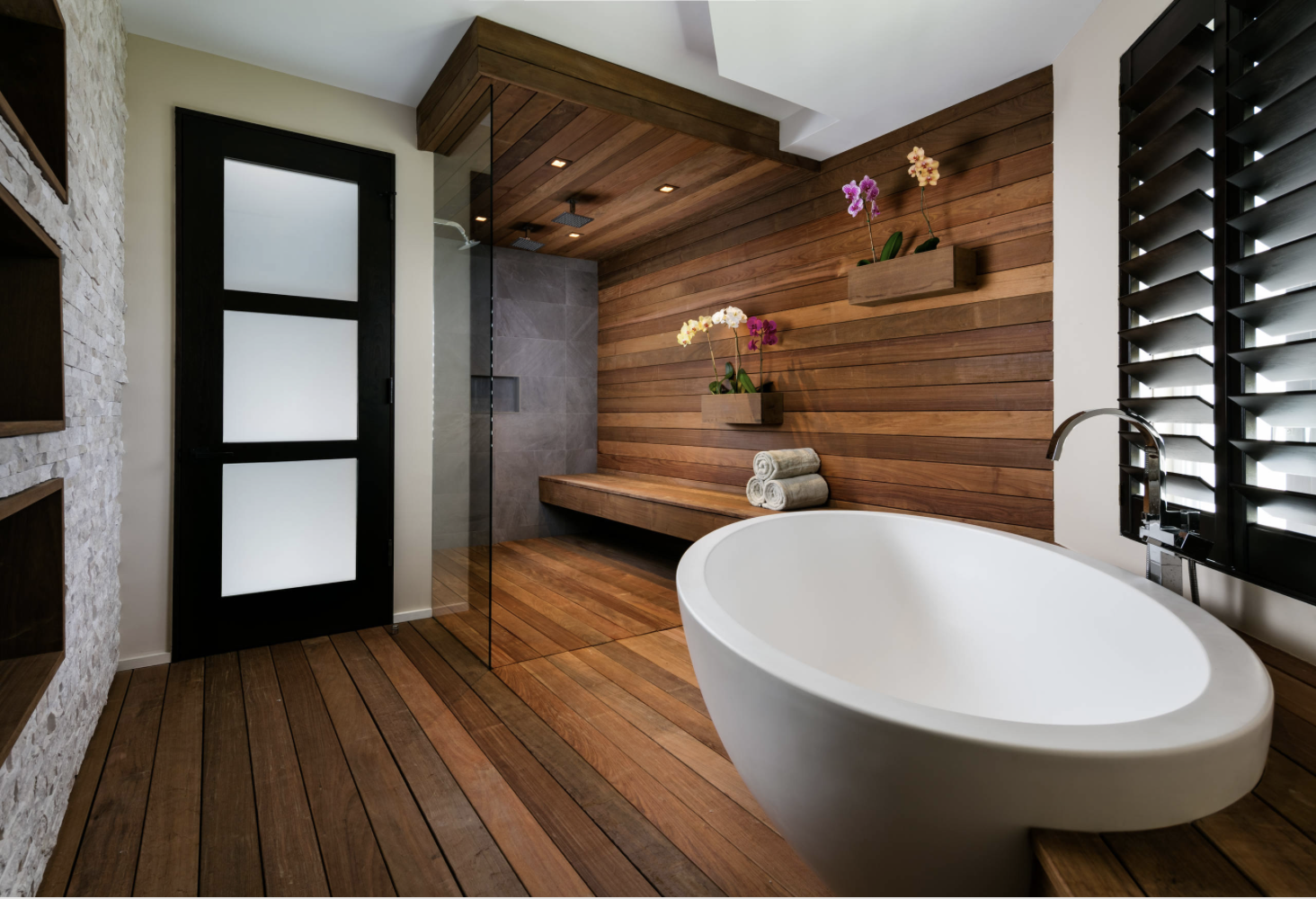
Wellness design has moved from luxury to expectation. Buyers are paying attention to how a home makes them feel on a daily basis.
Natural light, indoor-outdoor flow, quiet spaces, and organic materials all contribute to this. In a place like Bend or Sunriver, where lifestyle is a major driver, this matters even more.
Buyers are not just buying a house. They are buying a way of living. Spaces that support relaxation, focus, and connection to nature are consistently standing out.
Resilient and Efficient Homes: The Practical Side of 2026 Design
Energy efficiency and resilience are becoming major decision factors. Buyers are looking for solar readiness, efficient HVAC systems, EV charging, and features that reduce long-term costs.
In Central Oregon, where seasonal weather and rural properties come into play, these features are often seen as both practical and valuable.
If your home includes any of these upgrades, they should be clearly highlighted in your listing. Buyers are actively looking for them.
What’s Out
Design trends don’t just tell you what to add — they tell you what to address before you list. A few things buyers have clearly moved past:
- All-gray everything. Functional for a decade, now forgettable. Buyer sentiment has shifted clearly away from both cool gray and stark white as default palettes. Sterile, clinical spaces read as dated now, not clean.2,3
- The overdone farmhouse look. The aesthetic isn’t dead, but the version heavy on purely decorative elements — shiplap for the sake of shiplap, barn doors on every opening — has peaked. What’s replacing it is a warmer, more grounded approach leaning on authentic materials over surface-level styling.
- Themed bonus rooms. “Man cave,” dedicated wine rooms, home theaters with no other use — buyers want rooms that flex, not rooms that commit to a single identity. Spaces that can’t be repurposed read as liabilities now, not amenities.
- Two-story foyers. They create a striking visual, but the trade-offs have caught up with them. NAHB data shows 32% of buyers are likely to reject a home with a two-story foyer outright, while only 13% consider it a must-have.6 The energy inefficiency, heat imbalance, and lost usable square footage are no longer worth the entrance moment.
- Matched-finish everything. Coordinating every fixture, cabinet pull, and faucet to a single metal finish now reads as a 2015 renovation. The shift is toward intentionally layered metals — brushed brass, matte black, and nickel — that feel collected over time rather than sourced from the same catalog page.
- Open shelving as a kitchen default. What looked fresh a few years ago now reads as high-maintenance and visually noisy to a lot of buyers. The enthusiasm for it has cooled significantly, and the backlash is real enough that agents are recommending sellers address it before listing.11
- Safe “greige” tile that disappears into the background. Surfaces are meant to make a statement now, not blend in. Full-height backsplashes, dramatic stone, and layered finishes have replaced the disappearing neutral as the standard expectation in well-presented kitchens and baths.
- Maximalism for resale. Rich, layered, highly personal spaces can be genuinely beautiful to live in — but they’re difficult to sell. Buyers need to be able to see themselves in a space. Heavy personalization, bold collections, and visually dense rooms make that harder, which tends to show up in longer days on market and more negotiated offers.
What Changes and What You Leave Alone
Not every update needs to be major. In many cases, a relatively small investment can significantly change how a home is perceived.
Fresh paint in a warm, current tone, updated lighting, modern hardware, and a few intentional design choices can transform a space.
In a market like Central Oregon, where many buyers start their search online, how your home presents visually matters more than ever. Buyers often form an impression before they ever step inside.
Homes that feel warm, natural, and connected to their surroundings tend to perform better, both in terms of interest and final sale price.
If you’re thinking about selling your home in Bend, Sunriver, La Pine, or anywhere in Central Oregon, and want to know which updates will actually make a difference in your specific price range and neighborhood, reach out.
That conversation is often the difference between simply listing a home and positioning it to stand out.
Sources
- Zillow – Spotted on Zillow: Six Home Trends To Follow in 2026
- Houzz – Sneak Peek: Houzz Reveals 11 of the Top Home Design Predictions for 2026
- Axios – 2026 home design trends: Zillow and others reveal picks
- RoylinSells – Are Open Floor Plans Still Popular in Today’s Housing Market?
- Houzz – 2025 U.S. Houzz Kitchen Trends Study
- NAHB – Two-Story Foyer Trend Stabilizes in 2024
- Fixr – Kitchen Design Trends Report 2026
- Fixr – Bathroom Design Trends Report 2026
- Tami Faulkner Design – Top Custom Home Design Trend 2026
- NKBA – 2026 Design Trends Report
- GoBankingRates – 6 Key Design Trends That Are Make-or-Break for Homebuyers in 2026
- BHGRE – 2026 Design Trends Moving Real Estate
